
Ask a restaurant owner how sales went last week and you’ll usually get an exact number. Ask what their prime cost was, and the answer is often a guess. That gap matters, because prime cost is the number that most often decides whether a restaurant makes money.
What prime cost is
Prime cost is your cost of food and drink plus your total labour cost. Together they are usually the two biggest costs a restaurant can control from week to week. Rent, insurance and loan payments matter too, but you can’t change them on a Tuesday afternoon. You can change what’s on the plate and who’s on the schedule.
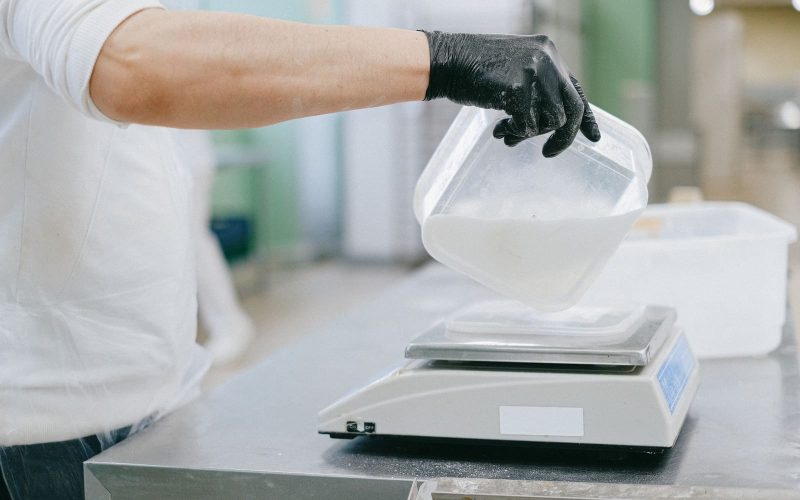
- Food and drink cost is your cost of goods sold for the period: opening inventory, plus purchases, minus closing inventory. Purchases alone swing too much from week to week to be useful.
- Labour cost is everything you pay for people: wages and salaries (including managers), employer payroll taxes such as CPP and EI contributions, vacation pay and benefits.
How to calculate it
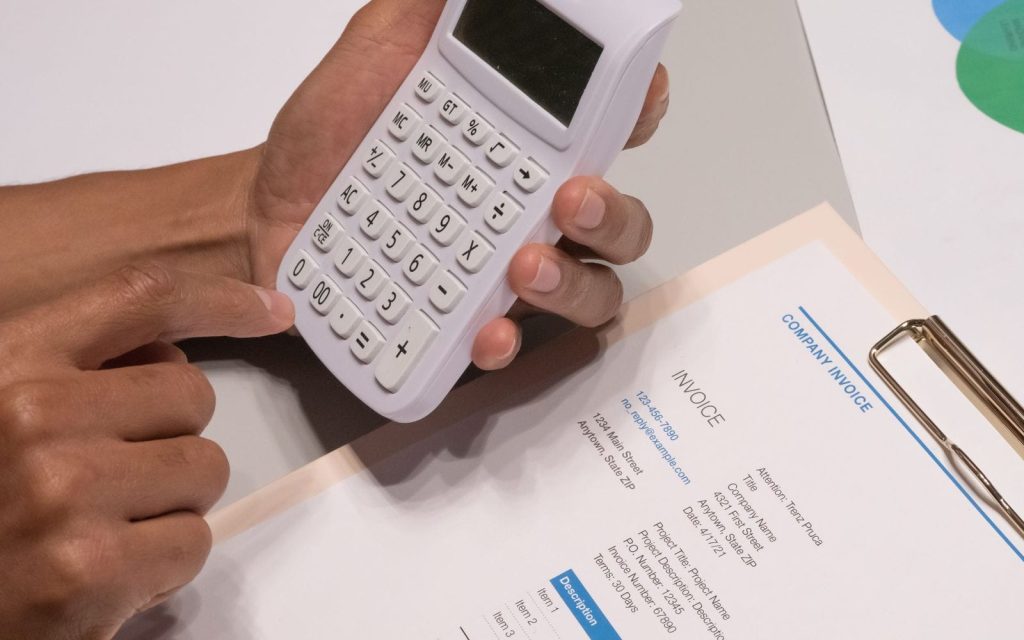
Add the two together, divide by sales for the same period, and multiply by 100.
Prime cost % = (food and drink cost + labour cost) ÷ sales × 100
An example month:
| Line | Amount | Share of sales |
|---|---|---|
| Sales (before tax and tips) | $100,000 | 100% |
| Food and drink cost | $31,000 | 31% |
| Labour cost | $33,000 | 33% |
| Prime cost | $64,000 | 64% |
Always use the same period for all three numbers, and use sales before tax and tips.
What should yours be?
Many operators aim for a prime cost of about 60% of sales or less, but there is no single right answer. A full-service restaurant with a large team will look different from a counter-service shop with a short menu, and high rent leaves less room for everything else. The useful habit is to pick a target that works for your restaurant, then watch the trend week by week.
Small changes add up fast. On $100,000 a month in sales, every point of prime cost is $1,000 a month, or $12,000 a year. Bringing the example above from 64% to 62% is worth about $24,000 a year.
Six ways to bring it down
- Cost every dish. Know what each plate costs to make from what you actually pay, yield included. You can’t fix a margin you can’t see.
- Watch supplier prices. When a key ingredient jumps, the dishes that use it quietly lose margin. Re-cost them when prices change, not once a year.
- Fix the dishes that sell most first. A small gain on your best seller is worth more than a big gain on a dish that sells twice a week.
- Hold portions steady. Recipes, portion tools and build lists on the kitchen screen keep every cook making the same plate.
- Schedule to sales. Compare labour against sales through the day, and adjust shifts for quiet hours and busy ones.
- Count and log waste. Regular stock counts show the gap between what should be on the shelf and what is. That gap is waste, over-portioning or worse.
Check yours in a minute
Use our free prime cost calculator with last month’s numbers. It shows your food, labour and prime cost against your target, and what each point is worth to you over a year. No sign-up needed.
How Skillet does this for you
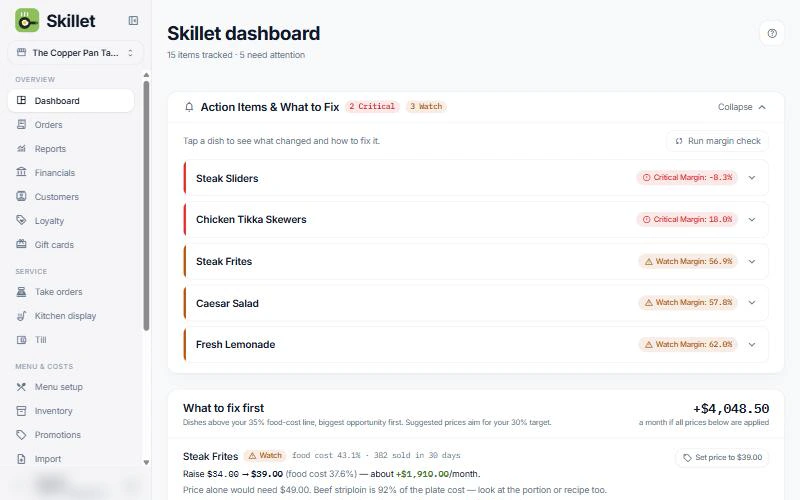
Doing it once is useful. Seeing it every day is better. Skillet works out prime cost from the numbers you already have, so it’s there whenever you open the dashboard, not once a month after the accountant’s done. Prime cost is part of Skillet Insights (which works alongside the POS you already have) and Skillet Complete.
- Food cost from real prices. Every dish is costed from your supplier prices, with yield and prep items included. Upload a supplier invoice and the costs update.
- Labour from the time clock. Staff punch in with a PIN and photo, so hours and wages feed straight into labour cost.
- Prime cost against sales, every day. Food plus labour against sales on your dashboard, against the target you set.
- What to fix first. When a dish slips below your margin target, or a supplier raises a price 5% or more, Skillet tells you which dish and why, and suggests a new price or portion.
- The Monday email. Last week’s sales, food cost, labour and prime cost, with the few things worth fixing, in your inbox before the week starts.