
Food waste is money in the bin, but it rarely shows up on a report as a line of its own. It hides inside a food cost that’s a few points higher than it should be. The first step to cutting it is seeing where it goes. The second is a handful of habits the whole kitchen can keep.
Where restaurant food waste comes from
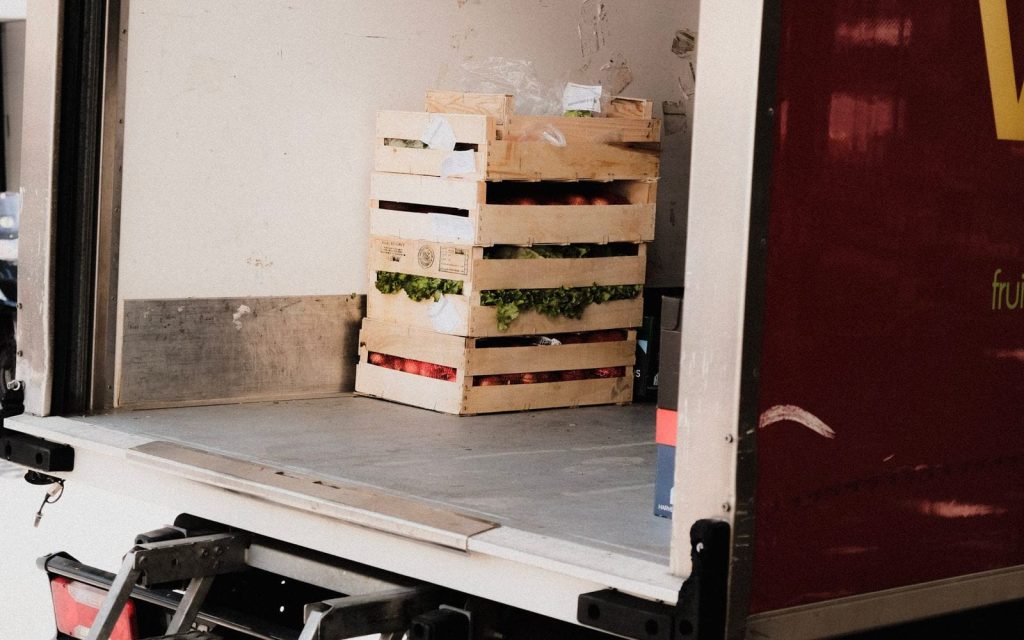
- Spoilage. Food that goes off before it’s used: over-ordering, poor rotation, a cooler running warm.
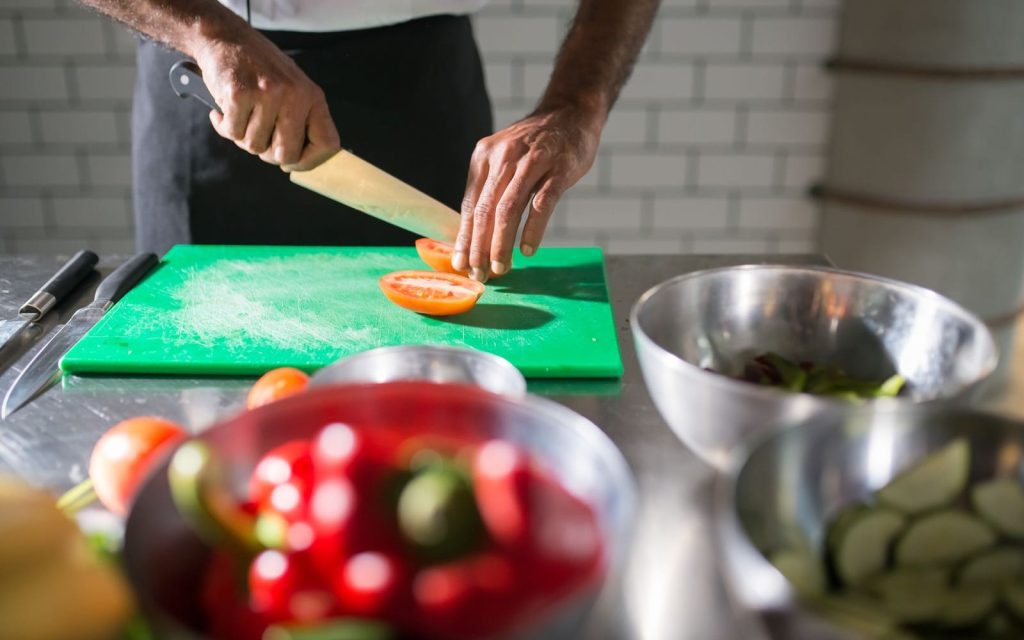
- Prep waste. Trim, peels and offcuts. Some is unavoidable; some is technique and knife work.
- Over-production. Too much soup, sauce or prepped garnish for the day’s sales.
- Over-portioning. A little extra on every plate. Invisible per plate, expensive per month.
- Mistakes and remakes. Wrong orders, missed changes, dropped plates, food sent back.
- Plate waste. What guests leave. Often a sign that a portion is bigger than people want.
Measure it first
You can’t cut what you can’t see. Two simple tools show the size of the problem:
- A waste log. Every time something is thrown out, note what, how much and why: expired, dropped, remade, over-prepped. A week of honest logging usually points straight at two or three causes.
- Regular stock counts. Compare what should have been used (from sales and recipes) with what was used (opening stock + purchases − closing stock). The gap is waste, over-portioning, recipe drift or theft. Count your most expensive items weekly; everything else monthly is often enough.
Eight ways to cut it
- Order to par. Set a par level for each item based on sales, and order up to it, not by habit.
- First in, first out. Date everything, put new stock behind old, and check the walk-in daily.
- Prep to the forecast. Use last week’s sales for the same day to decide how much to prep, and prep in smaller batches through the day if you can.
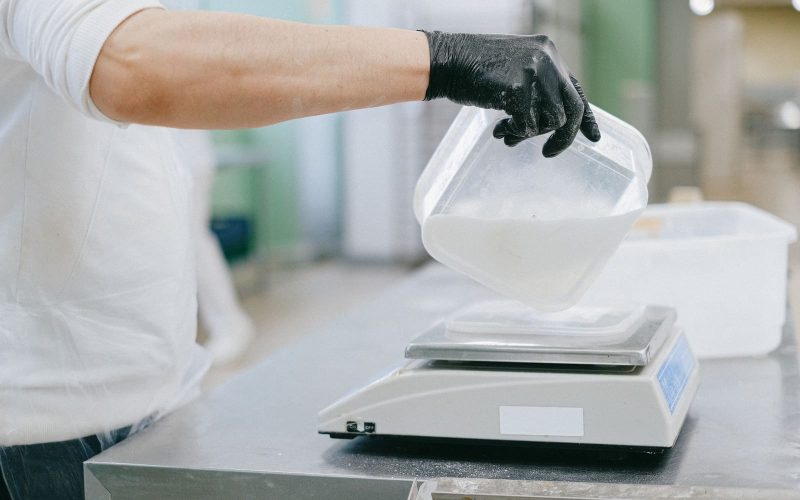
- Standardise portions. Scales, scoops and portion cups at every station, and a picture or build list for every dish.
- Use the trim. Vegetable trim for stocks, bread ends for croutons or crumbs, a special that uses what’s close to its date.
- 86 early. When a dish is close to running out, stop selling it before you have to remake orders or substitute.
- Make changes clear. Many remakes come from a missed “no onions”. Clear tickets and build lists prevent them.
- Watch plate waste. If the same side keeps coming back half-eaten, make it smaller or drop it.
What it’s worth
On $90,000 a month in food sales, every point of food cost is $900 a month, or about $10,800 a year. Bringing waste down enough to save two points is worth more than most price rises, and your guests never notice.
How Skillet does this for you
Skillet turns the counting and comparing into something you can check in a minute. Stock counts and costing are part of Skillet Insights and Skillet Complete; the register and kitchen screen come with Skillet POS and Skillet Complete.
- Stock counts and a waste log. Count on a tablet or phone, log waste with a reason, and see weekly cost of goods.
- What should have been used. Because every dish has a recipe, Skillet compares expected use with your counts, so waste, theft or recipe drift shows up as a number.
- Stock that goes down with every order. On Skillet Complete, stock is reduced as orders are sent to the kitchen, so you can see what’s running low during service.
- Sold out and portion limits. 86 a dish or set a portion limit right on the register, so nobody sells what you’re out of.
- Build lists on the kitchen screen. Each dish in assembly order with changes in red, so remakes from missed changes become rare.
- Yield on every ingredient. Trim loss is built into your plate costs, so a price that looks fine on the invoice doesn’t hide a costly dish.
Try Skillet free for 30 days and run your first stock count with the sample menu, or with your own ingredients. No card needed.